
Gemologists Use Scientific Methods and Established Standards to Evaluate Diamonds and Precious Stones

Gemstone evaluation is a process of identifying exactly what is being examined before conclusions are made about quality or value”
METAIRIE, LA, UNITED STATES, August 13, 2026 /EINPresswire.com/ -- — Ken Bowers
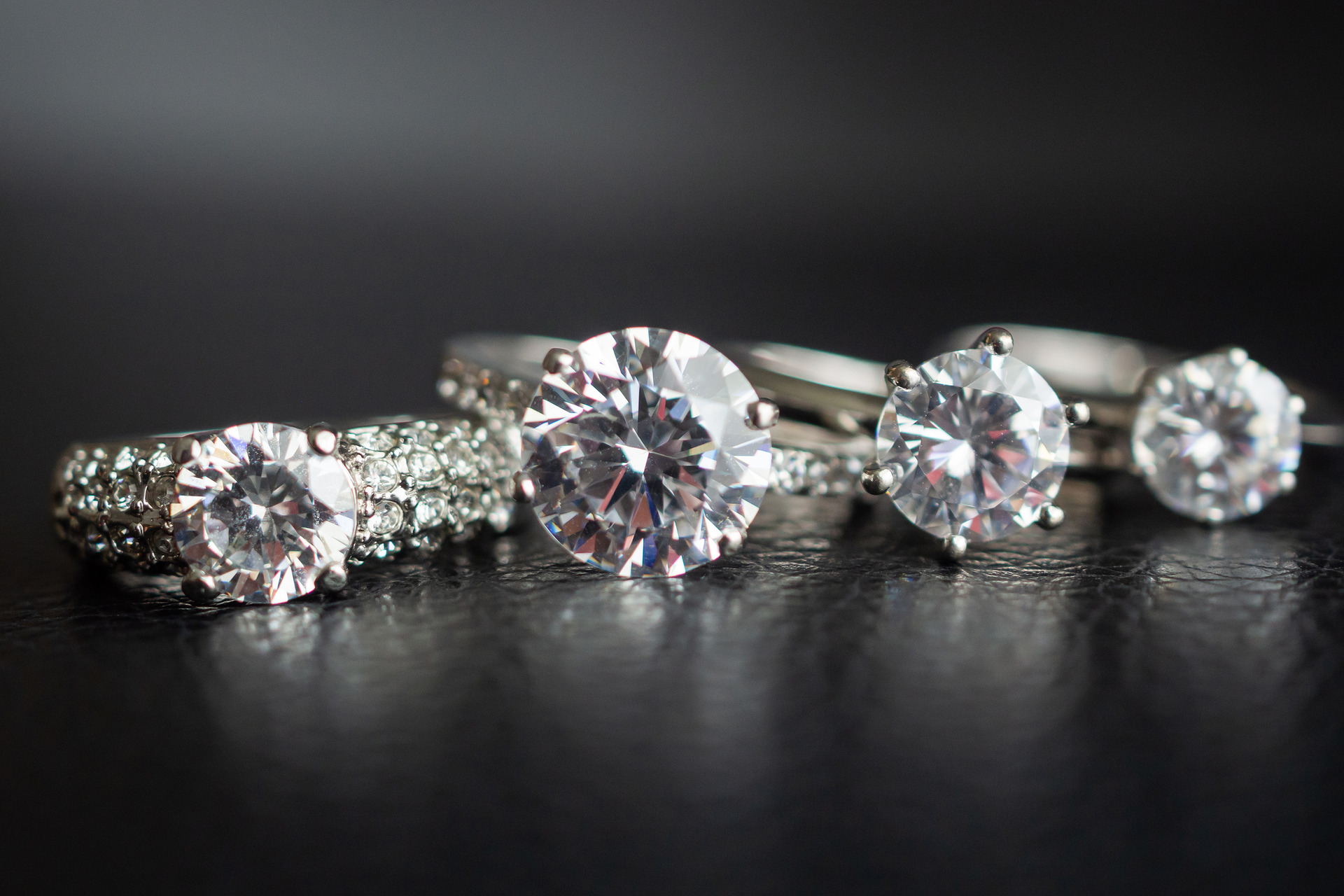
Evaluating diamonds and precious stones involves considerably more than examining whether a gemstone appears attractive under a display light. Gemologists use specialized instruments, standardized grading practices and knowledge of mineral characteristics to identify gemstones and assess factors that may influence quality, condition and value.
Diamonds, rubies, sapphires, emeralds and other gemstones can vary significantly even when two stones appear similar at first glance. Natural characteristics, treatments, cutting techniques, weight and overall condition can contribute to those differences.
For jewelry owners, collectors and individuals handling inherited property, professional evaluation can provide information that may not be apparent through visual inspection alone.
“Gemstone evaluation is a process of identifying exactly what is being examined before conclusions are made about quality or value,” said Ken Bowers, owner of KenWorks in Metairie, Louisiana. “Two stones can look similar without actually having the same characteristics. Magnification, measurement and other testing methods provide information that cannot always be determined with the unaided eye.”
Identification Comes First
Before a gemstone can be properly evaluated, its identity must be established.
Color alone is generally not enough to identify a stone. Several natural and manufactured materials can have similar appearances. A red stone, for example, is not automatically a ruby, just as every clear stone in a jewelry setting is not necessarily a diamond.
Gemologists may examine optical and physical properties to help identify gemstones. Depending on the stone and circumstances, testing can involve magnification, refractive characteristics, fluorescence and other diagnostic observations.
Identification can also help distinguish natural gemstones from synthetic or imitation materials.
Laboratory-grown stones have become increasingly common, making proper identification an important part of contemporary gemstone evaluation.
Diamonds Are Commonly Evaluated Using the Four Cs
Diamond evaluation frequently includes the characteristics known as the Four Cs: cut, color, clarity and carat weight.
Carat refers to weight rather than physical dimensions. Two diamonds with identical carat weights can have different measurements depending on proportions and cutting.
Color grading for many diamonds evaluates the amount of visible body color. Clarity considers internal and external characteristics that may be visible under magnification.
Cut evaluates factors involving proportions, symmetry and polish that influence how light interacts with the diamond.
Each characteristic contributes information about the stone, but no single factor provides a complete evaluation.
Magnification Reveals Characteristics Not Visible to the Eye
Magnification is one of the basic tools used during gemstone examination.
A jeweler's loupe or microscope can reveal internal inclusions, surface characteristics, scratches, chips and evidence of repairs or treatments.
Inclusions are naturally occurring characteristics found inside many gemstones. Their appearance, location and quantity can sometimes provide information about the stone's formation or identity.
Not every inclusion significantly affects a gemstone in the same way.
Some are minor and difficult to see without magnification. Others may influence transparency, durability or appearance.
Cut Can Influence Appearance
The way a gemstone is cut can significantly affect its visual characteristics.
For diamonds, facet proportions and angles influence how light enters and leaves the stone. Poor proportions may allow light to escape through areas where it contributes little to the visible appearance.
Colored gemstones present additional considerations.
Cutters may balance color, clarity and weight when determining the final shape of a stone. Because natural gemstone material can contain uneven color distribution or inclusions, cutting decisions often involve tradeoffs.
The resulting stone may therefore reflect both natural characteristics and decisions made during the cutting process.
Treatments Are Part of Gemstone Evaluation
Gemstones can undergo treatments intended to alter color, clarity or appearance.
Heat treatment is associated with certain colored gemstones, while other processes can include fracture filling, dyeing, irradiation or surface treatments.
The presence of treatment does not automatically determine whether a gemstone has value. However, treatment information can be relevant when identifying and evaluating the stone.
Some treatments are widely used within the jewelry industry, while others may significantly influence market considerations.
Professional evaluation can help identify signs that additional laboratory testing may be appropriate.
Setting and Condition Can Affect Examination
Gemstones are often evaluated while mounted in rings, necklaces, bracelets or other jewelry.
Settings can make examination more complicated because portions of the stone may be hidden by prongs, bezels or surrounding metal.
A mounted gemstone may also be difficult to weigh directly. Measurements and calculations can sometimes be used to estimate weight when removing the stone is impractical.
Condition is another consideration.
Chips, abrasions, scratches and damaged facet edges can affect appearance and may influence an evaluation.
Older jewelry may also contain stones cut according to styles and proportions that differ from modern examples.
Precious Stones Require Individual Evaluation
Colored gemstones cannot always be evaluated according to the same criteria used for diamonds.
Color can play a particularly important role in rubies, sapphires and emeralds. Hue, tone and saturation may all influence appearance.
Clarity expectations also differ between gemstone varieties. Characteristics considered common in one type of gemstone may be less typical in another.
Origin may also become relevant for certain stones, although determining geographic origin can require advanced laboratory testing and should not be assumed from appearance alone.
Documentation Can Provide Additional Context
Existing gemstone reports, purchase records, receipts and previous appraisals can provide useful background information.
However, documents should generally be considered alongside the current condition and identification of the gemstone.
Jewelry can be altered over time. Stones can be replaced, settings can be modified and market conditions can change.
An older appraisal may therefore provide historical information without necessarily reflecting current circumstances.
Evaluation Combines Science and Experience
Gemology brings together mineral science, observation, specialized equipment and experience.
A gemstone may be only a few millimeters across, yet its evaluation can involve numerous characteristics relating to identity, weight, proportions, clarity, color, treatments and condition.
For diamonds and precious stones in jewelry collections, estates or inherited property, understanding those characteristics can provide a clearer picture of what an item contains.
Professional gemstone evaluation replaces assumptions based on appearance with measurable information, helping establish the identity and characteristics of stones that may have financial, historical or personal significance.
Morgan Thomas
Rhino Digital, LLC
+1 504-875-5036
email us here
Visit us on social media:
Facebook
Legal Disclaimer:
EIN Presswire provides this news content "as is" without warranty of any kind. We do not accept any responsibility or liability for the accuracy, content, images, videos, licenses, completeness, legality, or reliability of the information contained in this article. If you have any complaints or copyright issues related to this article, kindly contact the author above.
